


OPERA IN CONCORSO Sezione Scultura/Installazione
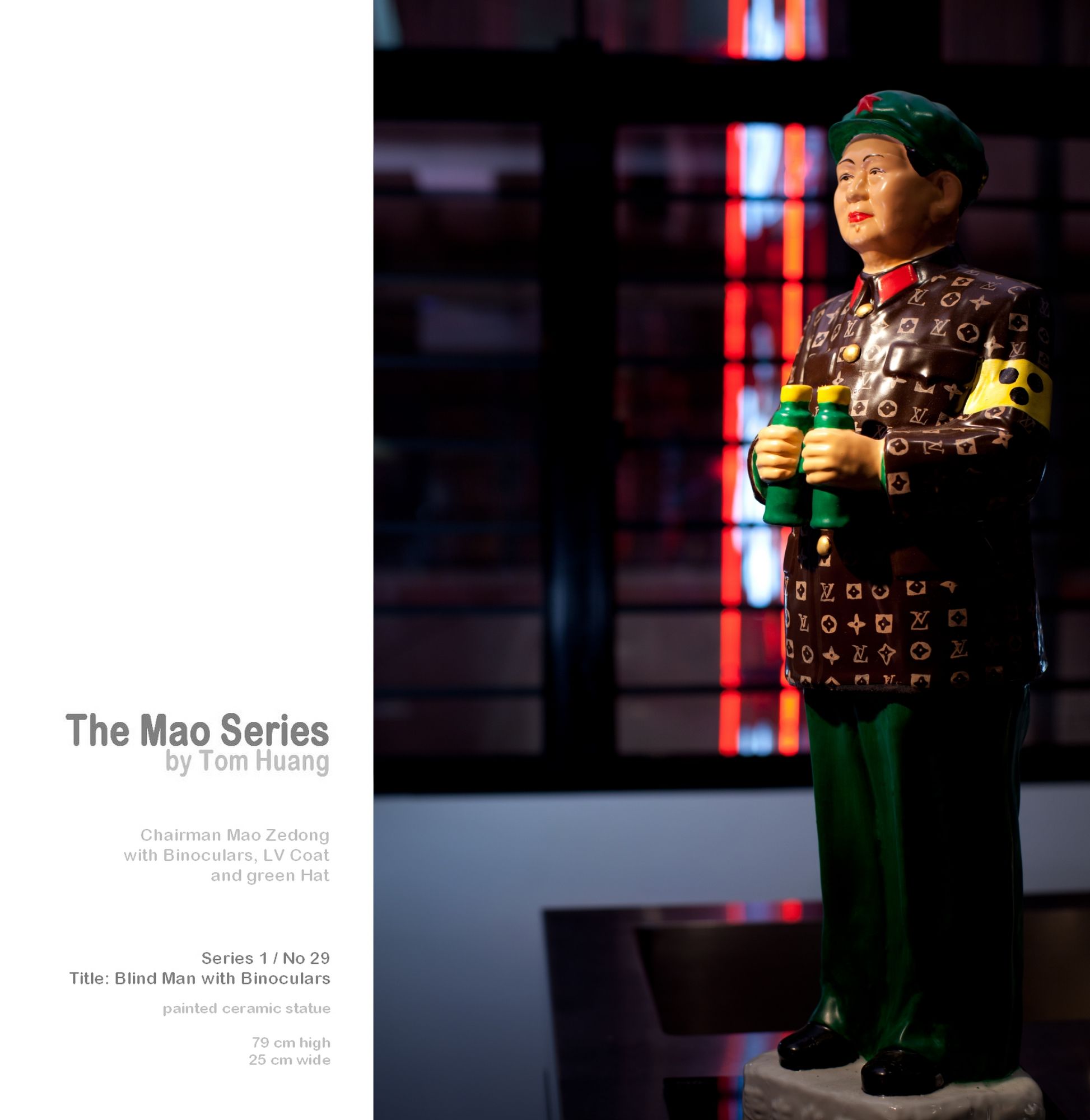
Blind Man with Binoculars
paint on ceramic statue, ceramic statue from the cultural revolution
(h) 79 cm x (w) 25 cm
Tom Huang
nato/a a Germany
residenza di lavoro/studio: Hong Kong & Shanghai / China (PEOPLE)
iscritto/a dal 27 mar 2015
Altre opere

The Mao Series
paint on ceramic statue, ceramic statue from the cultural revolution
various
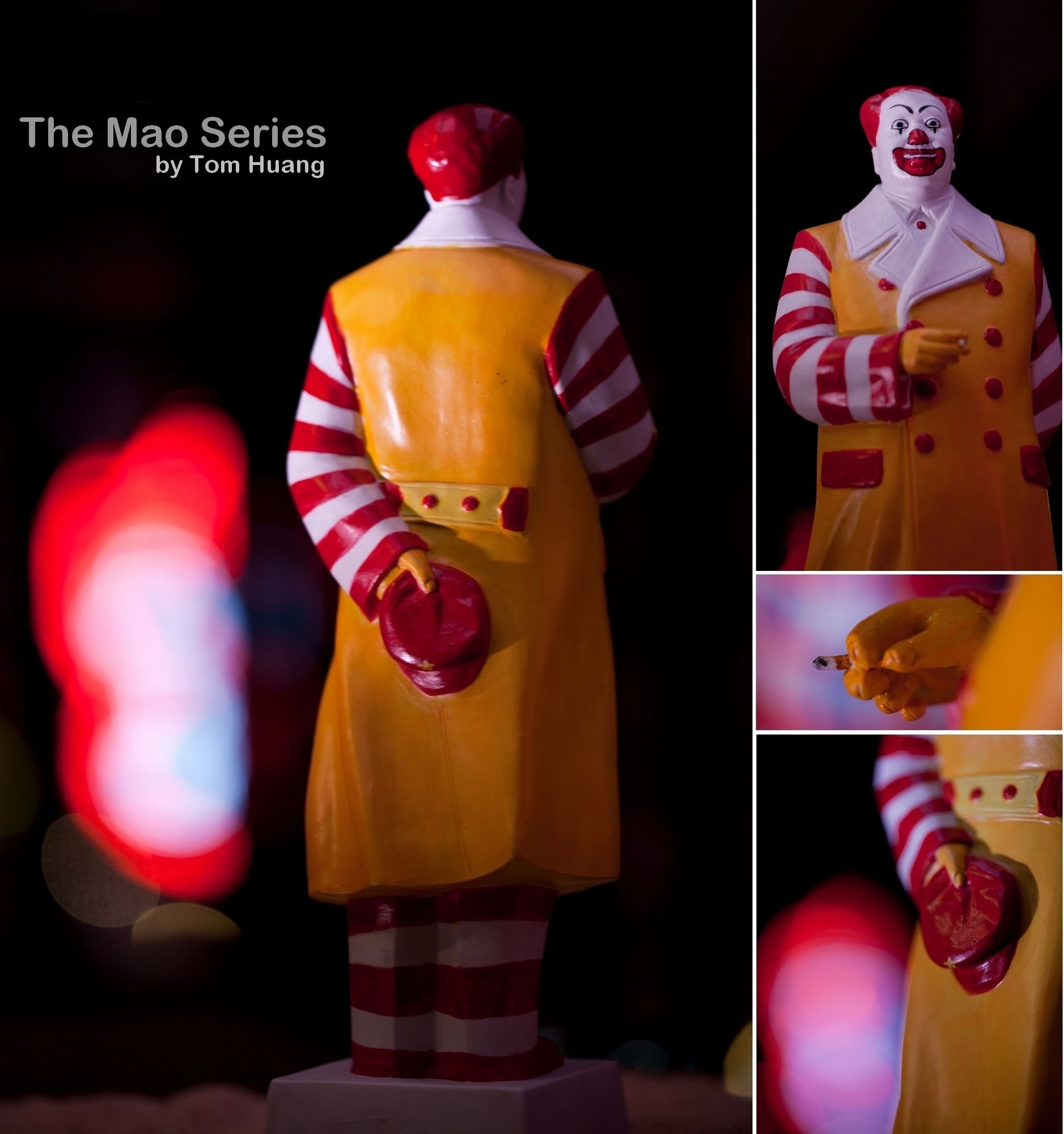
Mac Mao
paint on ceramic statue, ceramic statue from the cultural revolution
(h) 30 cm x (w) 10 cm
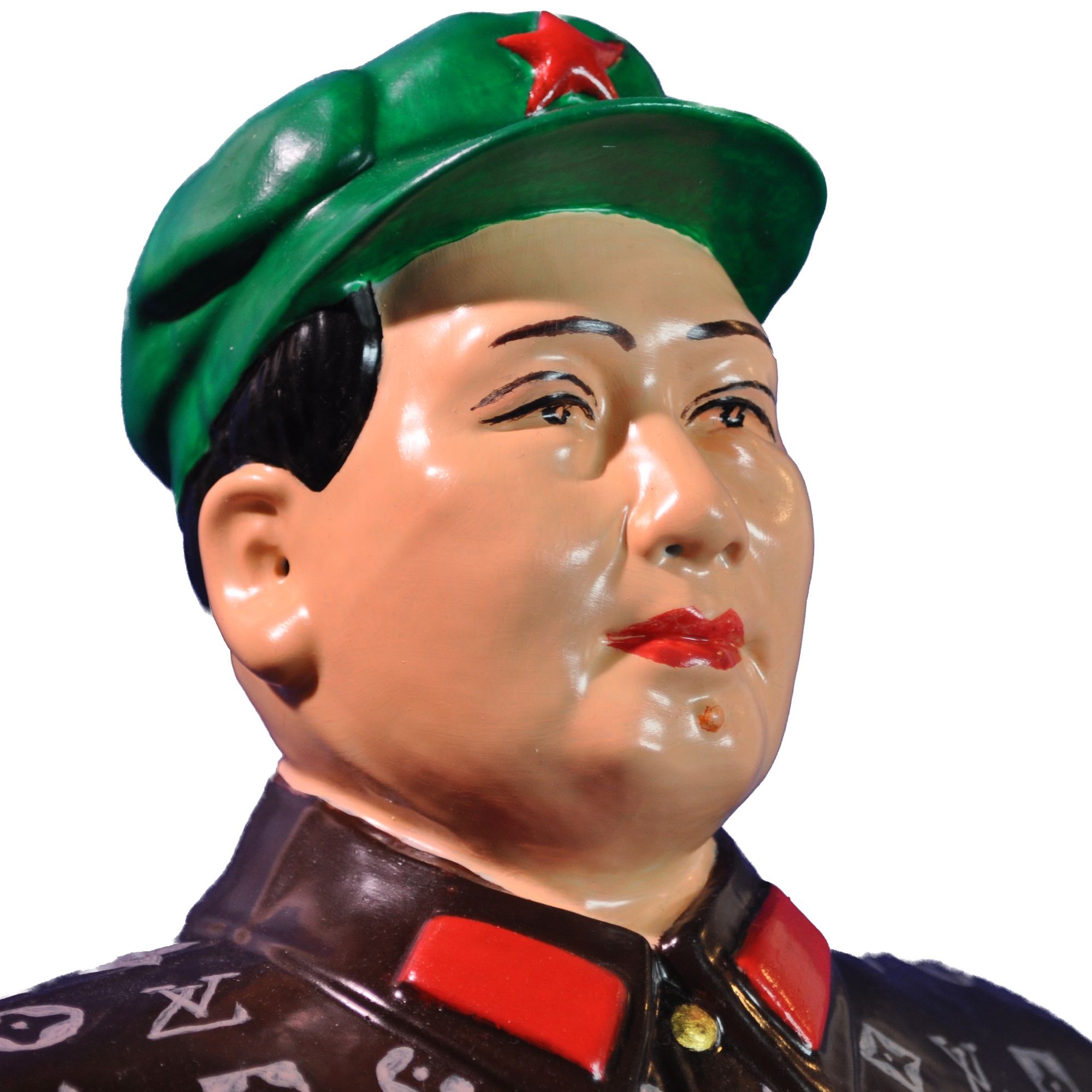
The Chairman
paint on ceramic statue, ceramic statue from the cultural revolution
(h) 34 cm x (w) 13 cm
Descrizione Opera / Biografia
ARTWORK:
Still a communist country by name China transformed in many aspects to become a capitalistic society. The value set, the way factories are operated, consumerism and brand awareness, the value of material possessions & money. The gap between the fiction of the party’s rhetoric (“China is a socialist country”) and the reality of everyday life grows larger every day. How would the ”Great” Chairman react ? What would he wear at work ? Tom Huang is playing in his recent work with the iconic symbols of the Cultural Revolution (the mass produced white ceramic Mao Busts) and symbols of western brands. Dressing up Chairman Mao turned out to be a confrontation of ideology with reality. Luxury icons of western consumption come to stand for everything he opposed. Yet his cadres of the 21st Century not only produce most of them, they also queue to consume them. Chairman Mao in a western coat (with Louis Vuitton, Gucci, Prada or Mac Donalds clothing) is by 2015 only on the second look a disturbing sight. A sight which invites both cultures to reflect on their values and transformation.
CONSIDERATION:
Mao Zedong is as present as he has ever been. The Chinese political class has been witnessed to balance their praise of Mao, to whom they owe their political legitimacy, with an appreciation that some of his policies had disastrous consequences. In their very own interest the Party still holds a tight grip on the information available on the live of Mao and the history of the CCP. Along with the local population, the world came to know the Chairman through a well orchestrated and carefully crafted PR Coup. A lot of people would by now likely agree on the image of a man with (big) faults but many deeds for the nation. A man portrayed on T-Shirts, badges, postcards (yes, even Andy Warhol participated) just next to Che Guevara. A man who caused the death of 38 million people in the greatest famine in history (1958-1961). A man who followed his own dream, which had little to do with Communism and a lot with his personal quest for power. A man who is responsible for the death of well over 70 million of his own people. A man who survived by inflicted terror and who is documented to have been willing to sacrifice “half of China” along his way. Neither under Mao nor under his successors the Communist tag line “for the people” has much importance. Tom Huang uses the portrait of the ”Chairman in “the Mao Series” in order to visualize the ambivalence of reality and ideology found in China today. Is it legitimate to use the image of that man without being part of a system aiming to soften up Mr Chairman ?
“The Mao Series invites to reflect. To go behind the myth on which Mao’s national and international reputation rested. To go behind the mask painted (literally) on top of the man and behind a political and social system to be found in todays China.“ [Quote: Tom Huang]
BIO:
Tom spares his time between the workshops in Shanghai and Hong Kong. He dedicated his work to explore the limits of art by confronting society with a fast changing value set influenced by consumerism and an ever faster pace of live. Acclaimed for his work with the Mao Series he ventured with the ”Peoples Collection” for the first time with a designer fashion object. Reference: www.tomhuang.com.hk